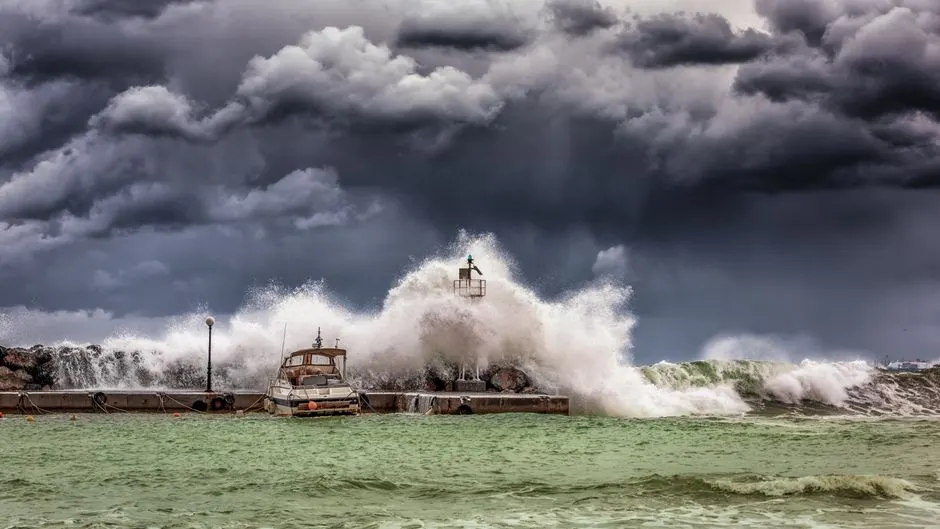
To prepare your Homestead home for hurricane season flooding, start by clearing gutters and drains, sealing windows and doors, and moving valuables above the flood line. Install a sump pump with a battery backup, and keep sandbags and emergency supplies ready. Homestead's low elevation and proximity to the coast make it especially vulnerable to storm surge and heavy rain.
We've helped hundreds of homeowners in South Miami-Dade get ready for the June through November hurricane season, and we know the specific challenges here. This guide covers a step-by-step checklist, local flood risks, and the mistakes that lead to costly water damage. Whether you're new to the area or a longtime resident, these tips will help you protect your home.
Why Homestead Is at High Risk for Hurricane Flooding
Homestead sits just 30 miles south of Miami, with an average elevation of only 5 to 10 feet above sea level. That low-lying geography means storm surge from a Category 1 hurricane can push saltwater several blocks inland. The area also gets an average of 60 inches of rain per year, most of it between June and November. When a tropical system stalls, the ground saturates fast, and water has nowhere to go.
Many homes here were built before 2002, when Florida's stricter floodplain building codes took effect. Older neighborhoods like those near downtown Homestead and Florida City often have outdated drainage systems. If you live in a zone marked AE or VE on FEMA flood maps, your risk is even higher. We've seen water rise two feet in less than an hour during a heavy thunderstorm, long before any named storm arrives.
If you've ever dealt with a flooded yard after a summer downpour, you know the drill. But hurricane season brings a different level of threat. Preparing now is far cheaper than cleanup later. For professional help with water damage restoration in Homestead FL, our team is ready year-round.
How do I prepare my Homestead home for hurricane season flooding?
Start with your yard and drainage. Clear gutters, downspouts, and French drains of leaves and debris. Make sure the ground slopes away from your foundation at least six inches over the first ten feet. If you have a crawl space, check that vents are above the expected flood level. Install a sump pump with a battery backup in the lowest part of your home, and test it monthly.
Next, protect your windows and doors. Install permanent storm shutters or cut plywood panels to fit. Seal gaps around exterior doors with weatherstripping and door sweeps. For sliding glass doors, a simple lock bar can prevent them from being forced open by wind. If you have a garage, reinforce the door with a bracing kit. These measures keep wind-driven rain out, which is the leading cause of interior water damage during hurricanes.
Inside, move electronics, important documents, and furniture to higher floors or elevate them on blocks. Unplug appliances and roll up area rugs. If you have a basement or lower level, store items in plastic bins, not cardboard boxes. Take photos of each room for insurance purposes before any storm. And keep a supply of sandbags, plastic sheeting, and tarps in your garage.
Finally, know your evacuation zone. Homestead has several zones, and if you're in a mandatory evacuation area, leaving is the best way to protect your family. For those who stay, having a plan makes all the difference. We also recommend scheduling a professional water damage inspection Homestead FL before the season starts to catch hidden vulnerabilities.
What should I do before a hurricane in Homestead?
When a storm is 48 hours out, bring in all outdoor furniture, grills, and potted plants. Secure or store trash cans and garden tools. Trim dead branches from trees, but don't attempt major pruning once winds pick up. Board up windows if you don't have shutters, and fill bathtubs and buckets with water for flushing and cleaning. Turn your refrigerator and freezer to the coldest setting, and freeze water bottles to help keep food cold if power goes out.
Charge all phones, laptops, and power banks. Have a battery-powered radio and extra batteries. If you rely on a well pump, fill containers with drinking water. Move your car to higher ground if you park in a low-lying area. And if you have a generator, test it and store fuel safely outside. We can't stress enough: never run a generator indoors or in a garage.
Before the storm hits, take a video walkthrough of your home, opening closets and cabinets. This documentation speeds up insurance claims. If you have time, place sandbags around doors and low windows. For more detailed flood prevention Homestead strategies, our team can help you identify the weakest points in your home's defenses.
How to prevent flood damage in Homestead
Preventing flood damage starts with keeping water out and moving it away fast. Install a backflow valve on your main sewer line to stop sewage from backing up into your home. That's a common problem here during heavy rains. Check your sump pump monthly and replace the battery every two to three years. Consider a whole-house generator to keep your pump running during outages.
For your yard, create a rain garden or swale to absorb runoff. Keep storm drains near your property clear of debris. If you live in a flood-prone area, elevate your HVAC unit and water heater at least 12 inches above the base flood elevation. Seal cracks in your foundation and walls with hydraulic cement. These steps might seem small, but they add up to significant protection.
Inside, use water-resistant materials for flooring and baseboards if you're remodeling. Tile and concrete are better choices than hardwood in flood zones. Install a water alarm near your sump pump and washing machine. And if you have a basement, keep it dry with a dehumidifier running during humid months. For homes with crawl spaces, ensure proper ventilation and consider encapsulation. If you ever face a burst pipe repair Homestead FL, shut off the main water valve immediately and call us.
Common Mistakes to Avoid
One of the biggest mistakes we see is waiting until a storm is named to buy supplies. Plywood, sandbags, and generators sell out fast. Stock up in May, before the season starts. Another error is ignoring small leaks. A slow drip under your sink can rot cabinets and feed mold. Fix it now, not after the storm.
Many homeowners also forget to check their sump pump after a power outage. If the battery is dead, the pump won't run. Test it monthly and replace batteries proactively. And don't assume your insurance covers flooding. Standard homeowners policies typically exclude flood damage. You need a separate flood insurance policy, which has a 30-day waiting period. Buy it well before a storm forms.
Finally, don't try to ride out a major hurricane if you're in an evacuation zone. No amount of preparation can protect you from a 10-foot storm surge. Your life is more important than your property. If you do stay, avoid walking through floodwater. It can hide debris, sharp objects, and live electrical wires. And never use a generator indoors.
When to Call a Professional
Call a professional when water has entered your home and you can't safely remove it yourself. If you see standing water, soggy drywall, or a musty smell after a storm, you need expert help. Mold can start growing within 24 to 48 hours, so fast action is critical. Our team at ClearWave Restoration handles everything from emergency water extraction to full structural drying and mold remediation.
We also recommend calling us if you're unsure about the extent of the damage. We use thermal imaging and moisture meters to find hidden water behind walls and under floors. If your insurance claim needs documentation, we provide detailed reports. And if you've had repeated flooding, we can recommend permanent solutions like sump pumps and backflow valves. Don't wait until the next storm. Reach out today for a consultation.
Frequently Asked Questions
How do I prepare my Homestead home for hurricane season flooding?
Clear gutters and drains, install a sump pump with battery backup, seal windows and doors, and move valuables above the flood line. Keep sandbags and emergency supplies ready. Start preparations by May 1, before the June 1 season start.
What should I do before a hurricane in Homestead?
Bring in outdoor items, board up windows, charge devices, and fill bathtubs with water. Turn your fridge to the coldest setting and freeze water bottles. If you're in an evacuation zone, leave. Do these tasks at least 48 hours before the storm arrives.
How to prevent flood damage in Homestead?
Install a backflow valve, maintain your sump pump, and elevate utilities. Use water-resistant materials and keep storm drains clear. Consider flood insurance, which has a 30-day waiting period. These measures can reduce damage by up to 70%.
Who do I call for hurricane water damage in Homestead FL?
Call ClearWave Restoration at (645) 654-0721 for 24/7 emergency water removal and flood damage restoration in Homestead. We handle extraction, drying, and mold remediation. Our team responds within 60 minutes to minimize damage.
Get help with Water Damage Restoration in Homestead
Don't let hurricane season catch you off guard. Whether you need help preparing your home or you're dealing with water damage right now, our team is here for you. We offer free estimates and fast, professional service.
Call ClearWave Restoration at (645) 654-0721. We're available 24/7 to protect your home and get your life back to normal.